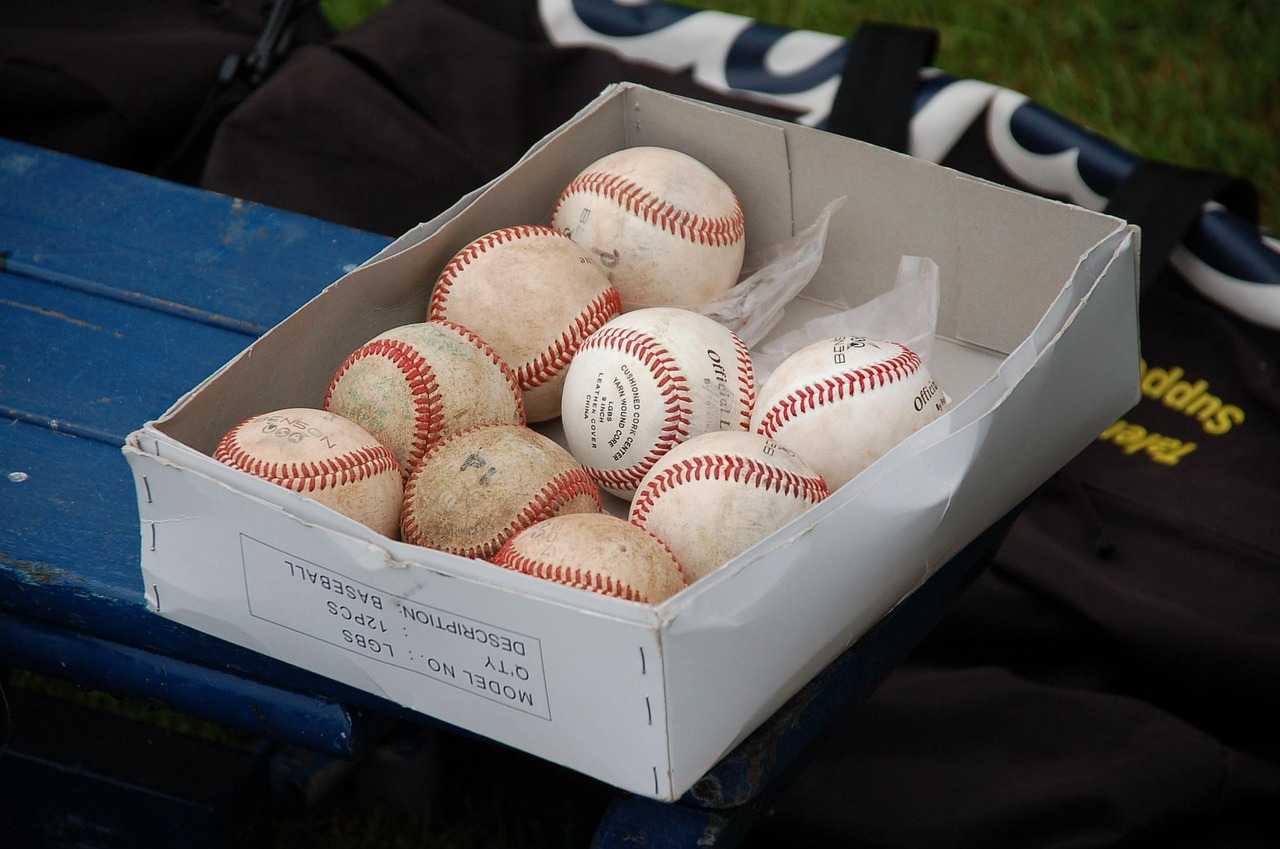
Why baseball has no clock is one of the clearest ways to understand the sport’s culture. Baseball is not organized around running out the clock, protecting a lead for the final seconds, or surviving a timed period. It is organized around completing a task: getting 27 outs. That difference shapes everything. It changes how pressure builds, how comebacks feel, how managers think, and how fans experience late innings. Modern baseball does use timing rules, including MLB’s pitch timer, which began in 2023 and now limits time between batters and pitches. But even with that reform, baseball still does not have a game clock. The clock can speed up the rhythm. It does not decide when the game is over.
Why Baseball Has No Clock and Starts With Outs Instead
Most major team sports are built around a shared clock. Football, basketball, soccer, hockey, rugby, and lacrosse all use time as part of the competitive structure. A team can lead, slow the game, manage possession, and force the opponent to fight both the scoreboard and the clock. Time is not just a setting. It is an opponent.
Baseball works differently. A team cannot simply hold the ball until the game ends. The defense controls the ball, but the defense also must keep pitching. The offense cannot be denied its chance to bat just because the other team wants the game to end. Every inning must be played through its required outs unless the home team has already won in the final inning.
That gives baseball a different moral structure. The trailing team is not beaten because time disappears. It is beaten because it runs out of outs. Until the last out is recorded, the game remains structurally open. A team down by one run, five runs, or ten runs still has a path back if it can keep sending hitters to the plate.
This is why baseball’s late-game tension feels distinct. In a timed sport, the final minute can become a race against scarcity. In baseball, the final inning becomes a test of completion. The leading team must finish the job. The trailing team must keep the line moving. There is no horn to save anyone.
The Pitcher-Hitter Duel Needs Space to Breathe
The absence of a game clock also fits the central action of baseball: the duel between pitcher and hitter. Every pitch is a separate event. Before the ball is thrown, the game is temporarily suspended in possibility. The pitcher can choose speed, spin, location, deception, or challenge. The hitter can prepare for fastball, breaking ball, changeup, location, count, situation, and field shape.
That moment of pause is not empty space. It is part of the contest.
Baseball is built from repeated confrontations. Each pitch carries information into the next one. A fastball high in the zone may set up a breaking ball away. A hitter taking a close pitch may change how the pitcher attacks. A foul ball can extend an at-bat and alter the pressure. A full count with runners on base can feel larger than the minute it occupies because the entire game situation narrows into one decision.
This is where baseball’s timelessness becomes cultural. The sport gives weight to anticipation. Fans read body language, defensive alignment, catcher signs, mound visits, bullpen movement, and the count. Time matters emotionally, but not as a countdown. It matters as suspense.
The pitch timer changed the pace of those pauses, but not the basic structure. MLB’s pitch timer includes a 30-second limit between batters and a between-pitches limit that is shorter with the bases empty than with runners on base; the runners-on-base limit was reduced to 18 seconds beginning in 2024. That rule trims delay. It does not turn baseball into a timed-period sport.
The difference matters. A pitch clock regulates the time before action. A game clock determines the end of action. Baseball has accepted the first without becoming the second.
Why Timelessness Became Part of Baseball’s Identity
Because baseball does not end by clock, it developed a deep relationship with patience, memory, and accumulation. A game can feel quiet for six innings and then change completely in the seventh. A dominant pitcher can lose command suddenly. A tired bullpen can turn a safe lead into a crisis. A ninth-inning rally can make the previous three hours feel like preparation for one swing.
That structure helps explain why baseball has always been comfortable with long narratives. The sport’s season is long. Its statistics accumulate slowly. Its records often depend on repetition over months or years. Batting average, earned run average, on-base percentage, saves, innings pitched, home runs, and hitting streaks all come from the same basic idea: baseball reveals meaning through accumulation.
A timed sport often creates drama through compression. Baseball creates drama through extension. It asks how long a pitcher can hold command, how long a hitter can stay alive in an at-bat, how long a rally can continue, how long a team can protect a lead when the other side still has outs left.
That is why the phrase “no clock” carries so much cultural power. It is not only a rule distinction. It is a worldview. Baseball says the game is not over because time has expired. It is over because the defense has earned the final out.
The modern sport has had to balance that identity with entertainment realities. Long delays, repeated mound visits, slow at-bats, and extended commercial rhythms made pace of play a serious issue. MLB had already used timing rules around breaks between innings and pitching changes before the pitch timer became the sport’s most visible pace reform.
But the deeper identity remains intact. The pitch timer makes baseball move faster. It does not make baseball run out of time.
Baseball’s lack of a game clock is why its comebacks feel possible until the last out and why its pressure gathers differently from timed sports. The sport can modernize its pace without losing that core idea. A baseball game does not end when time disappears. It ends when the final chance is gone.