The weirdest promotions in baseball history exist because baseball has always needed more than the game itself to fill long seasons. A team plays 81 home games in a regular MLB season, and minor league clubs often depend even more heavily on theme nights, giveaways, local stunts, and community spectacle. That reality created a strange promotional laboratory: some ideas became beloved traditions, some became cautionary tales, and some became so famous that they outlived the games attached to them. Baseball promotions matter because they show the sport at its most experimental. They reveal how clubs sell identity, not just tickets, and how one strange night at the ballpark can become part of baseball memory.
Why Baseball Became the Perfect Home for Strange Promotions
Baseball’s promotional culture comes from the shape of the sport itself. The season is long, the calendar is dense, and not every game can be sold as a major competitive event. A Tuesday night game in June needs a reason to feel different from a Wednesday night game in June. That is where promotions become part of the product.
Few figures shaped that idea more than Bill Veeck. He treated the ballpark as a civic theater, not only a sports venue. His promotions were built around the idea that a team could entertain people even when the standings were not enough. The National Baseball Hall of Fame highlights Veeck’s “Grandstand Managers Night” on August 24, 1951, when fans were allowed to vote on key in-game decisions, as one of his famous promotional experiments.
That is the core of baseball’s weird-promotion tradition: the game is serious, but the ballpark has room for invention. A promotion can honor a local hero, sell cheap food, create a costume night, mock a trend, introduce an animal act, or turn fans into participants. Sometimes the promotion stays safely outside the foul lines. Sometimes it crosses directly into the game itself.
That boundary is what makes the genre so interesting. Baseball promotions are not just marketing. They are experiments in crowd behavior, local culture, nostalgia, spectacle, and risk management. At their best, they make a regular night feel like a shared event. At their worst, they show what happens when a team misunderstands the crowd it has invited.
The Nights When the Promotion Became Bigger Than the Game
The most famous example is Disco Demolition Night, held at Comiskey Park in Chicago on July 12, 1979. The White Sox promotion offered discounted admission to fans who brought disco records to be destroyed between games of a doubleheader against the Detroit Tigers. The event was tied to radio personality Steve Dahl and the anti-disco backlash of the late 1970s. Britannica describes the promotion as a gimmick that turned into a riot, with fans storming the field and the second game ultimately forfeited.
That night became more than a baseball promotion because it intersected with music, identity, youth culture, and backlash. It was not just “records blown up at second base.” It became a cultural moment attached to arguments about disco, rock radio, race, sexuality, and who felt welcome inside mainstream entertainment. The baseball game became the setting, but the promotion became the story.
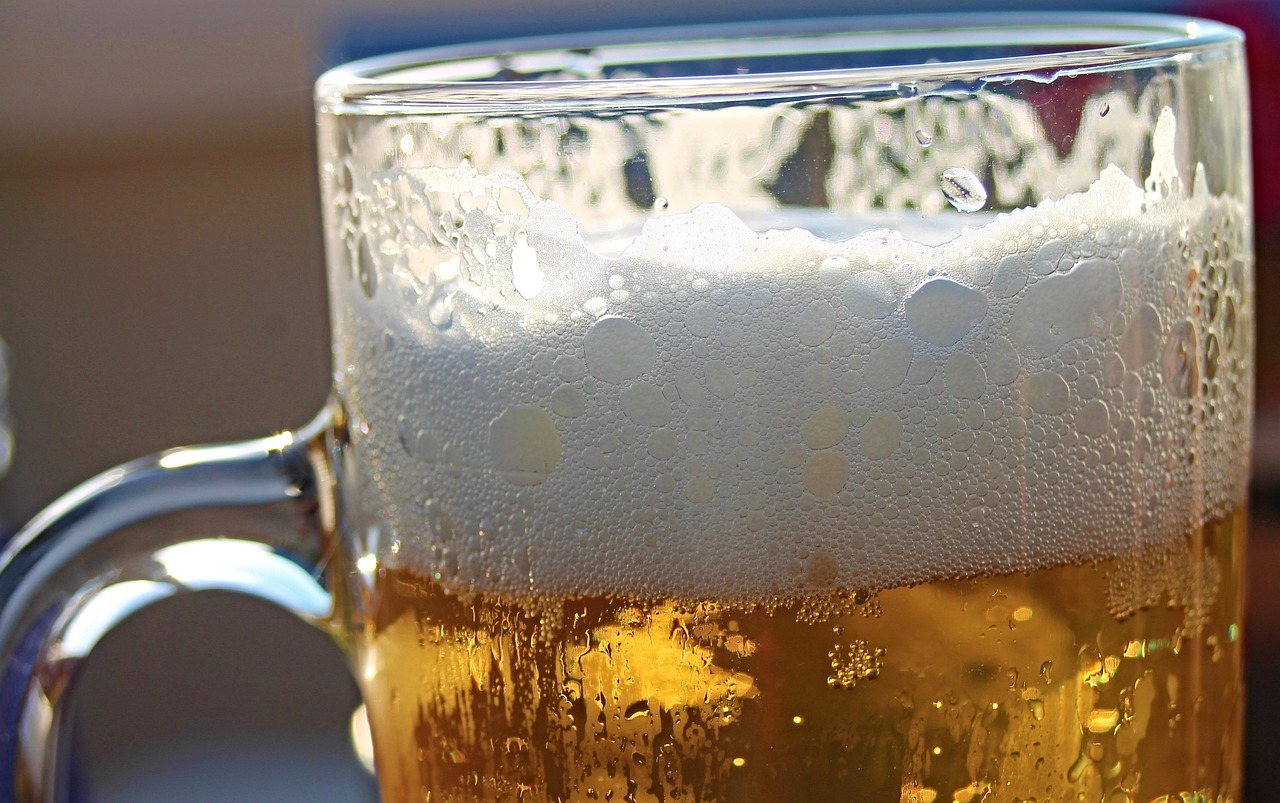
Five years earlier, Cleveland had its own promotional disaster with Ten-Cent Beer Night on June 4, 1974. The Cleveland Indians hosted the Texas Rangers while selling beer at a steep discount. The night already carried tension because the teams had brawled the previous week in Texas, and comments by Rangers manager Billy Martin added to the atmosphere before the series moved to Cleveland. The game ended in a forfeit after fans stormed the field in the ninth inning.
Ten-Cent Beer Night is remembered because the promotion did not fail in a small way. It overwhelmed the baseball game. MLB’s own retrospective notes that the night included a ninth-inning field takeover and a Cleveland forfeit to Texas. The Associated Press, writing on the 50th anniversary, also described the game as collapsing into chaos after fans stormed the field.
Those two nights became the warning labels for baseball promotions. They proved that a promotion is not just an idea on a calendar. It is an invitation. The club chooses the theme, the price, the tone, and the audience. The crowd decides what the promotion becomes once the gates open.
But not every strange promotion was a disaster. Some were just deeply original. Veeck’s world produced events like fan-managed strategy and Eddie Gaedel’s famous 1951 plate appearance, when the St. Louis Browns sent a 3-foot-7 performer to bat in a real major league game. MLB has described Veeck’s promotional legacy as including Gaedel, fan strategy voting, and Disco Demolition Night through the larger Veeck family promotional tree.
That is why the weirdest promotions in baseball history are not all the same kind of weird. Some are promotional failures. Some are rule-bending theater. Some are business creativity. Some are local jokes that somehow become permanent. Baseball gave all of them room because the sport has always had space between pitches, between innings, and between the game and the crowd.
Why Weird Baseball Promotions Still Matter
The legacy of baseball’s strangest promotions is visible everywhere, especially in the minor leagues. Modern minor league baseball often treats promotions as central to the experience, not as a side dish. Theme nights, alternate identities, food-based rebrands, celebrity appearances, animal mascots, unusual giveaways, and viral stunts are now part of how teams build attention.
Mike Veeck became one of the major figures in that modern promotional lineage. MLB’s 2023 feature on Veeck connected his career to both Disco Demolition Night and his later minor league comeback, including his role with the St. Paul Saints and other teams known for inventive promotions. The same MLB piece notes that Veeck helped popularize ideas such as the bat dog, now a familiar minor league feature.
That evolution matters because baseball promotions are now part of how the sport competes for attention. A fan may come for the giveaway, the theme, the food, the local joke, or the social media moment, then leave with a connection to the club. In that sense, promotions are not separate from baseball culture. They are one of the ways baseball culture renews itself.
The best weird promotions understand the ballpark as a community space. They do not need to humiliate anyone or turn people into props. They work because they give fans a story to tell later: the night everyone wore costumes, the night a dog retrieved bats, the night a team wore an alternate identity, the night a local tradition became bigger than expected.
The worst ones reveal the opposite lesson. They show what happens when a club mistakes provocation for entertainment or crowd size for crowd control. Disco Demolition Night and Ten-Cent Beer Night remain famous because they turned marketing into disorder. Their afterlife is not just “that was strange.” Their afterlife is that teams learned promotions carry social weight.
The weirdest promotions in baseball history are part of the sport’s larger identity because baseball has always been both game and gathering place. The field supplies the competition, but the ballpark supplies the theater. When a promotion works, it turns an ordinary date into a memory. When it fails, it can become a permanent chapter in baseball folklore.