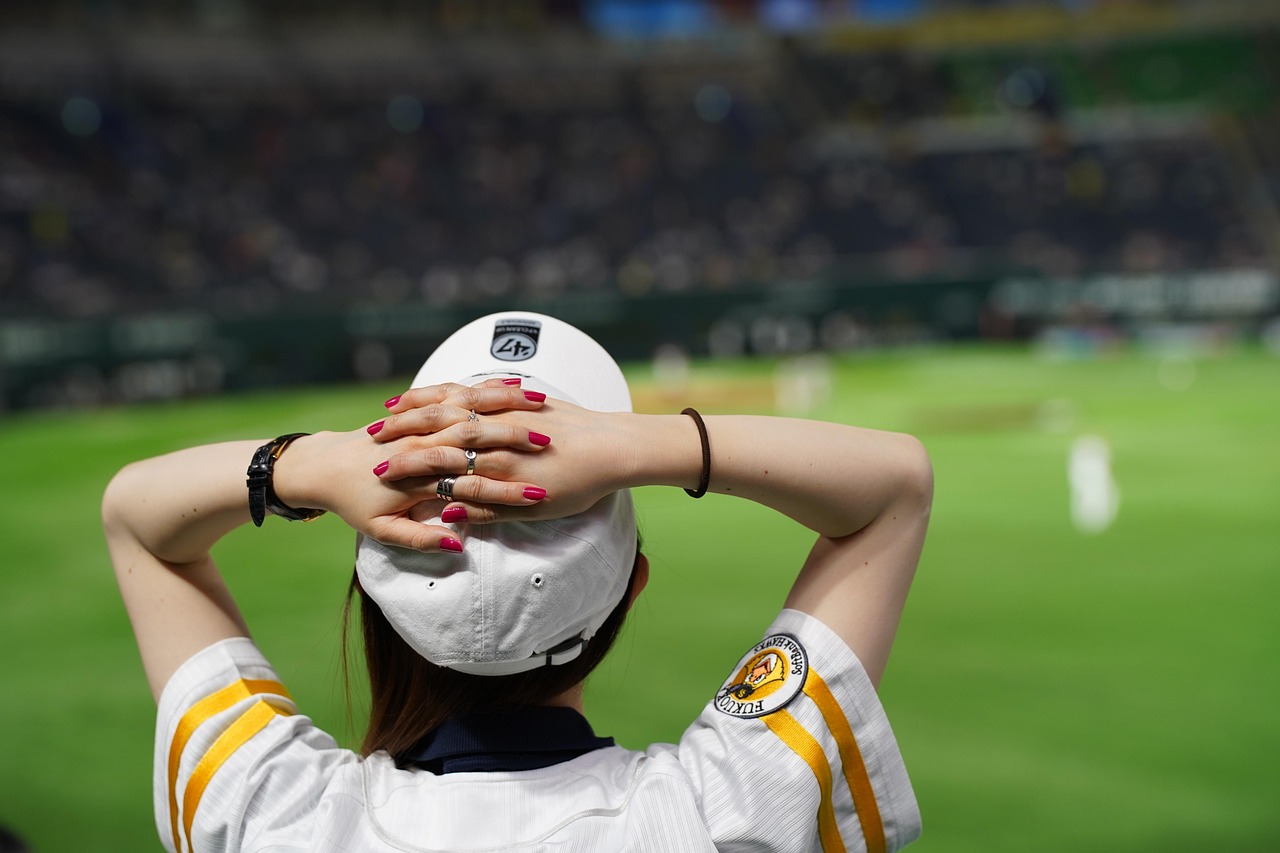
Baseball mascot chaos is not a side show accidentally attached to the sport. It fits baseball because the game has more open space, more pauses, more local personality, and more room for strange traditions than almost any major team sport. A mascot can race across the outfield, dance on a dugout, bother a visiting player, lead a hot dog race, or become part of a city’s baseball identity without breaking the rhythm of the game. Baseball’s mascots work because the sport has always been more than nine innings. It is also a ballpark experience, a civic gathering, and a long summer performance where the oddest characters often become the most memorable ones.
The Ballpark Was Built for More Than the Game
Baseball has always had a different relationship with dead time than faster sports. Football, basketball, hockey, and soccer build their drama through constant motion or tightly controlled stoppages. Baseball breathes differently. Between pitches, between innings, during pitching changes, and during long summer nights, there is room for sound, movement, jokes, promotions, songs, scoreboard bits, and crowd rituals.
That rhythm created the perfect environment for mascots. A baseball mascot does not have to compete with the game every second. It can appear in the spaces around the game, then disappear before the next pitch. It can move through the stands, interact with children, lead a dance, toss shirts, or stage a small routine without pulling the audience away from live action.
This is why baseball mascots often feel more local than corporate. They are tied to ballparks, not just teams. The best ones seem to belong to the stadium’s personality: part greeter, part clown, part hype figure, part moving piece of civic branding. They help turn a baseball game from a sporting event into an evening out.
That matters because baseball’s season is long. A team plays 81 regular-season home games, which means the ballpark cannot rely on championship stakes every night. Some games are pennant-race drama. Some are quiet weekday matchups in May. Some are hot afternoons where the seventh-inning stretch feels as important as the score. Mascots help carry the atmosphere when the game itself is slow, tense, ordinary, or lopsided.
The chaos is not random. It fills a structural need.
When Mascots Become the Main Character
Baseball mascots became famous because they can do something players usually cannot: they can be absurd in public without damaging the competitive seriousness of the game. A player must protect focus and reputation. A manager must protect authority. A mascot can fall down, dance badly, challenge a child to a race, or turn a routine promotion into a miniature comedy scene.
That freedom is why baseball mascot chaos produces so many memorable traditions. The Milwaukee Brewers’ sausage race turned costumed food into a local ritual. The Washington Nationals’ racing presidents transformed historical figures into a running gag. The San Diego Chicken helped establish the idea that a mascot could become a performer with its own star power. The Phillie Phanatic became one of the clearest examples of a mascot whose personality is inseparable from the team’s public image.
The common thread is not just costume design. It is permission. Baseball gives mascots permission to stretch the world around the game. They can be weird because the ballpark itself allows weirdness. They can be loud because the game has quiet spaces. They can become beloved because fans see them again and again across a season, sometimes across generations.
Minor league baseball pushes this even further. In the minors, the mascot is often part of a broader entertainment ecosystem that includes theme nights, unusual team names, local food jokes, regional references, and promotions built around community identity. A minor league mascot does not need to represent polished national branding. It can represent a city’s inside joke, agricultural history, local animal, strange pun, or regional food tradition.
That is where baseball mascot chaos becomes especially valuable. It gives teams a way to be memorable even when the players are constantly moving through the developmental system. A minor league fan might not see the same roster for long, but the mascot, the logo, the between-inning races, and the local rituals can remain stable. The mascot becomes a bridge between changing players and returning fans.
In that sense, mascots are not merely entertainment. They are continuity.
Why Baseball Mascot Chaos Still Works
Baseball mascot chaos still works because it solves several modern sports problems at once. It gives children an easy entry point into the ballpark. It gives casual fans something to remember beyond the final score. It gives teams content that can travel on television and social media. It gives local identity a physical form. It also gives baseball a way to feel playful without changing the core rules of the sport.
This is especially important because baseball often debates its own pace. Some people want a purer game. Others want faster action. Mascots sit in the middle of that tension. They do not change balls and strikes. They do not alter the standings. They do not replace the game. They make the surrounding experience more alive.
The best baseball mascots also reveal something important about fan culture. Fans do not only attach themselves to championships. They attach themselves to rituals. A team’s mascot can become part of childhood memory, family routine, local humor, and ballpark identity. A fan might remember a walk-off home run, but they may also remember the first time they saw a giant green creature dancing on the dugout or a group of oversized presidents sprinting across the warning track.
That is not a lesser form of sports memory. It is part of how sports become personal.
Baseball is unusually good at holding these layers together. It can be statistical, historical, tactical, emotional, and ridiculous inside the same evening. A mascot sprinting through the outfield does not weaken the game’s seriousness. It shows how much room baseball has for community, ritual, and performance.
Baseball mascot chaos endures because the ballpark has always been more than a field. It is a stage where the game matters most, but not alone. The mascots, races, dances, and strange traditions help make baseball feel local, repeatable, and alive across a long season. In a sport built on patience and memory, even the oddest characters can become part of the story.