
How Bullpen Usage Changed Baseball Strategy
Bullpen usage changed baseball by turning relief pitching from emergency support into one of the sport’s defining strategic systems.
Bullpen usage changed baseball by turning relief pitching from emergency support into one of the sport’s defining strategic systems.

Catcher framing turned receiving into a measurable skill, showing how quiet glove work can change counts, at-bats, and modern baseball.
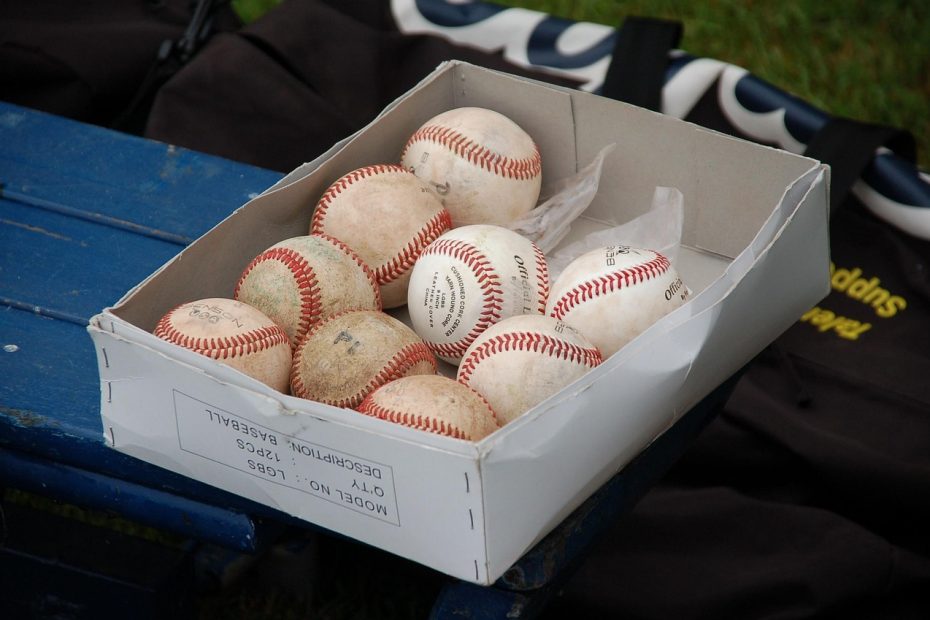
Baseball’s extra innings rule evolution changed tied games from open-ended endurance tests into managed endings shaped by pace and strategy.

Earl Weaver’s proto-analytics mind helped baseball see that outs, power, matchups, and probability mattered before analytics had a name.

Casey Stengel became baseball’s weird grandpa genius by turning wit, experience, and contradiction into a managerial language.

The Green Monster turns Fenway Park into a tactical puzzle, rewarding wall control, altered swings, and outfield instincts in every inning at home.

Pickoff artists turn first base into a pressure point, using timing, deception, and fear to shrink a runner’s lead.

The hidden ball trick turns baseball’s quiet moments into a legal trap, rewarding patience, acting, and one careless step off the bag.

Gaylord Perry turned the spitball legend into baseball psychology, making hitters wonder whether the pitch or the thought mattered more.

The designated hitter war lasted for decades because one lineup spot became a fight over strategy, identity, and baseball tradition.

Hideo Nomo’s 1995 arrival gave MLB a new Japanese star, a new pitching image, and a new pathway for talent crossing the Pacific.

Astroturf baseball reshaped the game with fast grounders, hard surfaces, speed teams, strange bounces, and multipurpose stadiums.