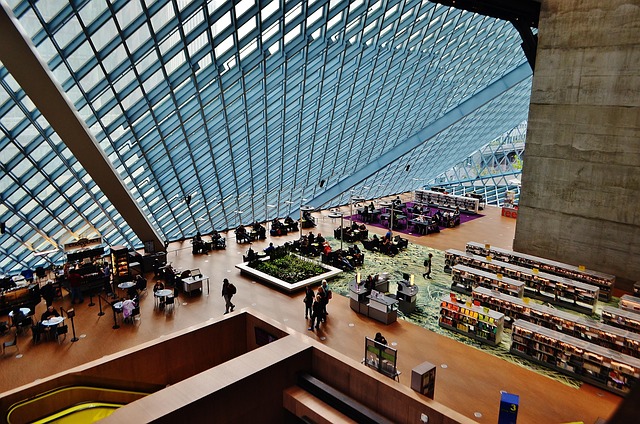
Softball in Seattle has one of the strongest local identities in the Pacific Northwest. The city’s softball culture is shaped by youth fastpitch clubs, high school programs, adult leagues, indoor training, and the University of Washington, one of the most visible college softball programs in the country. Seattle is not just a recreational softball city. It is a place where girls and young women can see a clear pathway from youth fastpitch to elite college competition.
The city’s softball scene also reflects the Pacific Northwest. Weather and field conditions can make indoor training important, but the region has a serious softball culture supported by clubs, coaches, families, and college visibility.
Youth Fastpitch in Seattle
Youth fastpitch is the foundation of Seattle softball. Seattle Fastpitch Club describes itself as a nonprofit organization dedicated to the personal and athletic development of girls and young women through fastpitch softball. The club says it was formed in 2003 and includes teams with players ranging from ages 8 to 19. (seattlefastpitch.com)
That kind of organization is important because it gives players a structured environment beyond casual recreation. Fastpitch requires repeated skill development: pitching mechanics, catching, defensive footwork, hitting, bunting, slapping, baserunning, and game awareness. A strong club can help players build those skills over multiple seasons.
Seattle players also benefit from indoor training options. Seattle Softball Academy describes its program as offering professional instruction, competitive teams, year-round training in a 14,000-square-foot indoor facility, and support connected to the college recruiting process. (seattlesoftball.org) In a region where rain and field access can affect training, indoor facilities are a major advantage.
Washington Huskies and College Softball
The University of Washington gives Seattle softball its highest-profile anchor. Washington softball plays at the NCAA Division I level and has a national reputation, including the 2009 NCAA championship. The official Huskies softball page remains the central source for the program’s schedule, roster, news, and event coverage. (gohuskies.com)
The Huskies matter because college softball is one of the most powerful visibility engines for the sport. Young players in Seattle can watch elite softball in their own city, attend games at Husky Softball Stadium, follow college athletes, and see how the sport looks at a national level. That creates a direct line between youth softball and high-performance goals.
Washington’s presence also strengthens the regional softball culture. Camps, clinics, media coverage, NCAA postseason games, and Pac-12/Big Ten-level competition help keep softball visible. Even players who never play for Washington benefit from having a major program nearby because it raises the standard of what softball can be.
Softball Culture in Seattle
Seattle softball has both competitive and recreational sides. Competitive fastpitch focuses on development, travel teams, college recruiting, and high school success. Recreational and adult softball keep the sport visible in parks, workplaces, neighborhoods, and community leagues.
The youth fastpitch side has a serious developmental feel. Families invest in teams, lessons, tournaments, indoor training, and recruiting exposure. The presence of Washington softball gives the local scene an elite reference point, but the sport also depends on grassroots support. Coaches, parents, umpires, volunteers, and facility operators all help sustain the system.
Seattle’s softball culture is also shaped by the city’s broader sports environment. The Mariners give baseball a major professional presence, while the Storm, Seahawks, Kraken, Sounders, Reign, and Huskies create a crowded but active sports market. Softball’s advantage is that it offers girls and young women a direct team-sport pathway with local role models.
The Future of Softball in Seattle
The future of softball in Seattle is strong because the city has youth clubs, indoor training, college visibility, and a committed regional softball culture. The biggest challenges are cost, access, field space, and weather. Competitive softball can become expensive, and not every family can afford travel teams, lessons, and year-round training.
Seattle softball will be healthiest if it supports both elite fastpitch and broad participation. The University of Washington gives the sport a major stage. Clubs such as Seattle Fastpitch and training programs such as Seattle Softball Academy give players development options. Local leagues and schools keep the sport rooted in the community.
Softball in Seattle is not only about playing a summer game. It is about a full development ecosystem, from young players learning the basics to college athletes competing on one of the sport’s biggest stages.



Interested in Sports in Seattle?
American Football in Seattle | Basketball in Seattle | Cricket in Seattle | Football (Soccer) in Seattle | Hockey in Seattle | Rugby in Seattle