

Softball in Boston is a layered local sports scene. It includes college fastpitch, high school softball, women’s slow-pitch leagues, coed adult leagues, recreational teams, and neighborhood field culture across the city and surrounding communities. Unlike cities where softball is mainly a national-team or federation story, Boston softball is best understood through local participation and college competition.
The city does not have a major professional softball franchise, but it has several important softball anchors. Boston University has become one of the strongest college softball programs in the area, Boston College competes in the ACC, Harvard adds Ivy League softball across the river in Cambridge, and adult leagues keep the sport active for thousands of recreational players across Greater Boston.
College Softball in Boston
College softball is the most visible competitive layer of Boston softball. Boston University has been especially strong in the Patriot League. In May 2026, BU won the Patriot League Softball Championship with a 12-1 victory over Colgate, becoming the second team in Patriot League history to win four straight league titles. BU Today also noted that the Terriers entered the 2026 NCAA Tournament after winning that fourth consecutive Patriot League championship.
That makes BU one of the clearest softball brands in the Boston area. The program gives the city a regular NCAA softball presence and a team with postseason expectations inside its conference.
Boston College gives the area another major college softball program. BC competes in the Atlantic Coast Conference, one of the country’s major college sports conferences, and its official athletics site maintains a full softball program and schedule. The ACC is a difficult softball environment, so Boston College plays against a higher-power conference schedule than many Northeast programs.
Harvard also matters to the area’s softball identity. The Crimson compete in the Ivy League, and Harvard softball reached the 2026 Ivy League Tournament before ending its season against Brown. Harvard’s Cambridge location makes it part of the broader Boston softball ecosystem, especially for fans and players who follow college softball across the metro area.
Adult Softball and Local Participation
Adult softball is a major part of Boston’s local sports culture. The city has a large recreational sports scene, and softball is one of its most familiar formats. HUB Sports Boston describes itself as offering slow-pitch softball leagues and tournaments at more than 30 fields across the Boston area.
Boston Sports & Social Club also runs softball leagues, including coed formats with seven-inning or timed games and rules designed to keep games moving. These leagues are important because they make softball accessible to adults who are not playing at a college or elite level.
Boston also has women-specific softball spaces. BAWL Softball describes itself as Boston’s premier slow-pitch softball league for women 18 and older, with games on Sunday afternoons and evenings from May into early fall. That kind of league gives women a dedicated local softball community outside the college game.
Softball Culture in Boston
Boston softball culture is seasonal, neighborhood-based, and recreational as much as competitive. The outdoor season matters because New England weather limits year-round play. Spring, summer, and early fall are the key months, while indoor training and college travel schedules help more competitive players prepare before local fields are fully active.
The sport also fits Boston’s broader sports personality. The city is famous for professional teams and intense fan culture, but softball works at a more local level. It is played by college athletes, office teams, neighborhood groups, women’s leagues, coed teams, former high school athletes, and casual players looking for a regular summer sport.
Boston’s density also helps. Fields in Boston, Cambridge, Brookline, Brighton, Fenway-area neighborhoods, and surrounding suburbs allow leagues to draw from students, young professionals, longtime residents, and local communities. That gives softball a flexible player base.
The Baseball Connection
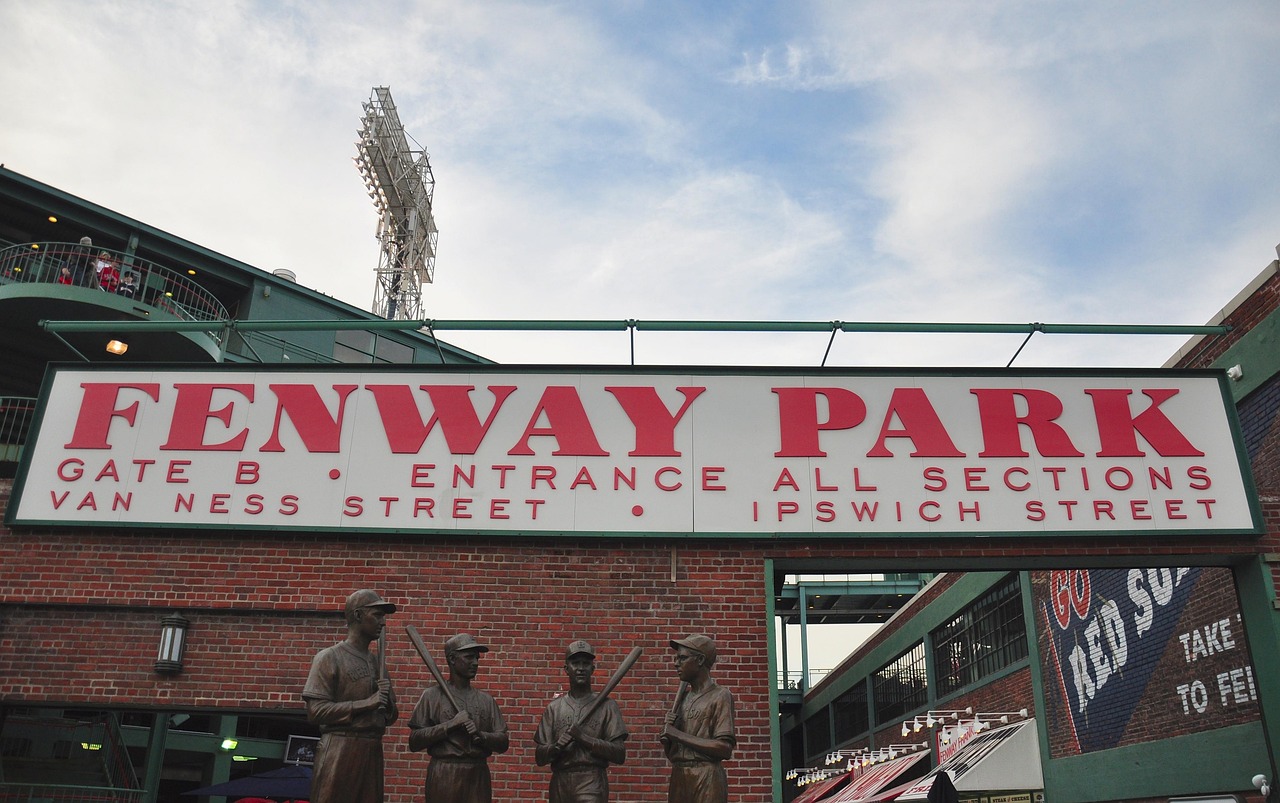
Softball in Boston benefits from the city’s deep baseball identity. The Red Sox and Fenway Park define Boston as one of America’s great baseball cities, and that baseball culture makes diamond sports familiar. However, softball in Boston is not just baseball’s smaller cousin. It has its own college programs, women’s leagues, coed recreational structure, and local social identity.
The college game is especially important because women’s fastpitch has a different pace and style from baseball. BU, BC, and Harvard give the area a serious fastpitch presence, while adult leagues keep slow-pitch softball visible throughout the city.
The Future of Softball in Boston
The future of softball in Boston looks stable because the sport is supported by multiple layers. College programs give the city competitive fastpitch. Adult leagues keep participation high. Women’s slow-pitch leagues create dedicated community spaces. Youth and high school softball across Greater Boston continue to feed the local player base.
Boston is unlikely to become a professional softball capital unless a future pro league chooses the market. But it already has what many cities need: college softball, recreational depth, women’s participation, and a strong baseball culture that keeps diamond sports visible.




Interested in Sports in Boston?
American Football in Boston | Basketball in Boston | Cricket in Boston | Football (Soccer) in Boston | Hockey in Boston | Rugby in Boston