Gaylord Perry and the art of psychological crime belong together because Perry’s most famous weapon was never only the doctored baseball. It was uncertainty. Hitters stepped into the box wondering whether the next pitch would move naturally, arrive illegally altered, or simply carry the reputation of something suspicious. Perry won 314 games, earned two Cy Young Awards, and reached the Hall of Fame, but his legend rests on a stranger achievement: he made doubt part of the at-bat. The question was not only whether he doctored the ball. The question was whether the hitter could keep thinking clearly while suspecting that he had.
The Pitcher Who Made Suspicion Part of the Delivery
Baseball has always had a complicated relationship with deception. A curveball is legal deception. A changeup is legal deception. A pickoff move is legal deception. Pitchers are expected to hide intent, disguise grip, disrupt timing, and make hitters believe one thing while another thing happens. Perry pushed that logic toward the edge of legality.
His reputation centered on the spitball, but the broader suspicion involved foreign substances that could change the movement, feel, or behavior of the baseball. Perry’s 1974 autobiography, Me and the Spitter, helped turn that reputation into public baseball folklore. The book did not quiet the issue. It amplified it. From then on, every touch of his cap, sleeve, face, jersey, or glove could become part of the theater.
That was the genius of the legend. Perry did not need every pitch to be illegal for the reputation to work. He needed hitters to wonder. A batter who is thinking about Vaseline, rosin, sweat, saliva, or some hidden substance is already distracted from the harder job: recognizing spin, timing velocity, and deciding whether to swing.
That made Perry’s mound presence unusually powerful. He was not just throwing pitches. He was managing attention.
Gaylord Perry and the Art of Psychological Crime
The phrase “Gaylord Perry and the art of psychological crime” works because Perry’s real masterpiece was plausible deniability. He operated in the space between proof and suspicion. Opposing managers complained. Umpires watched him. Hitters studied him. Baseball adjusted enforcement around pitchers suspected of throwing illegal pitches, and Perry’s name became attached to that era of scrutiny.
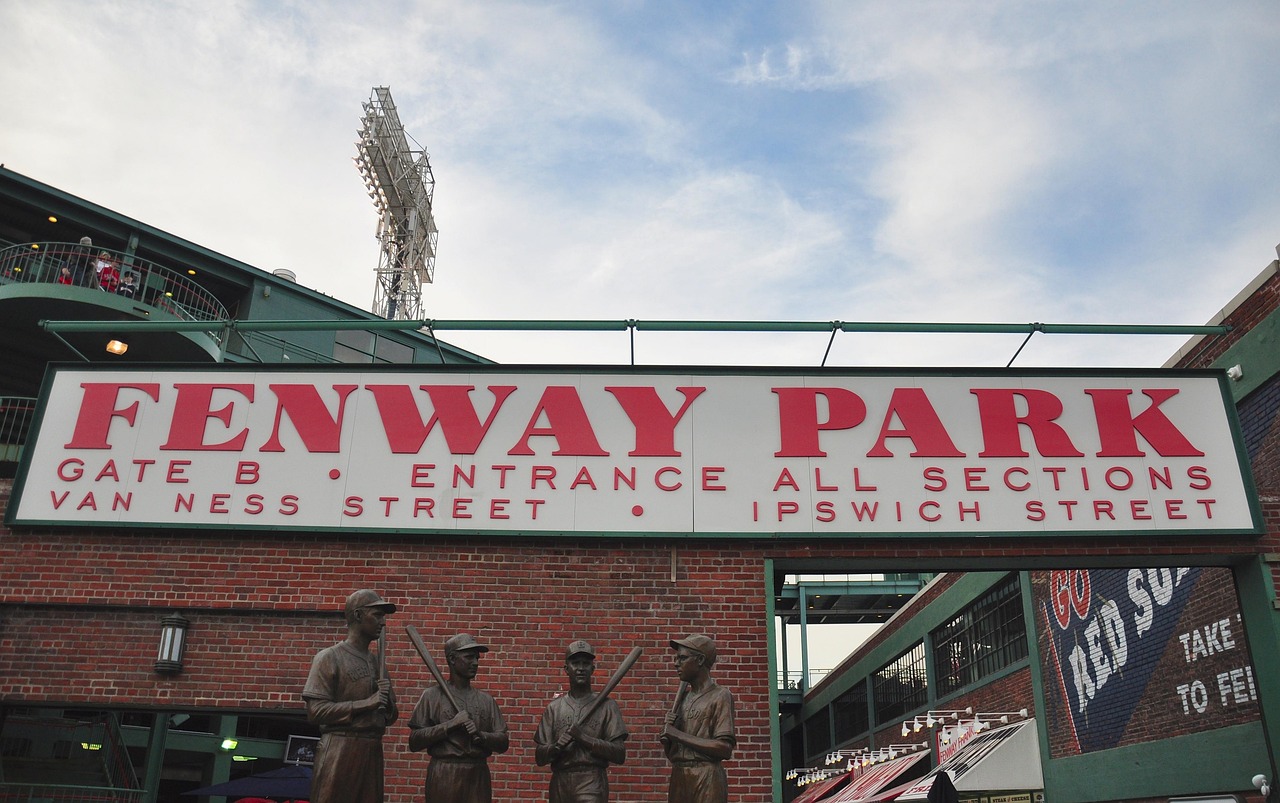
He was finally ejected for doctoring a baseball on August 23, 1982, while pitching for Seattle against Boston. It was the first and only ejection of his long major league career for that offense, which is part of why the story has lasted. Perry spent decades surrounded by suspicion, yet official proof rarely caught up with the mythology.
That gap between reputation and enforcement made him more difficult to face. If a hitter believed Perry was loading the ball, the hitter still had to prove it while standing 60 feet, 6 inches away from a Hall of Fame pitcher. If the pitch moved strangely, suspicion grew. If it did not, the hitter still had to wonder whether the next one would.
Perry understood that performance in baseball is mental as much as physical. Hitting already requires impossible precision. A batter has only a fraction of a second to identify pitch type, location, speed, and movement. Perry added another question: is this pitch doing something the rules do not allow?
That question was enough to change the at-bat.
Why the Legend Became Bigger Than the Spitball
Perry’s career cannot be reduced to the spitball. That would flatten the story. He was durable, skilled, and successful across a 22-year major league career. He won the Cy Young Award in both leagues, threw a no-hitter in 1968, reached 300 wins in 1982, and became one of the most accomplished pitchers of his generation.
But the spitball legend gave his career a second layer. It made him one of baseball’s great studies in competitive psychology. Perry became a pitcher hitters faced before the ball even left his hand. His reputation walked to the mound with him. It forced opponents to divide their attention between the baseball and the possibility of manipulation.
That is why the story still works. It is not just about whether he cheated. It is about how belief changes competition. Baseball is full of tiny margins: a late swing, a checked swing, a ground ball off the end of the bat, a hitter guessing wrong by inches. Perry’s reputation attacked those margins.
The deeper legacy is that he revealed how much of baseball happens inside the mind. The pitch matters. The grip matters. The movement matters. But so does the suspicion. So does the pause before the pitch. So does the hitter wondering whether the game being played is the visible one or the invisible one.
Gaylord Perry’s legend survives because it sits at the strange intersection of skill, rule-bending, theater, and doubt. He did not merely pitch through controversy. He turned controversy into part of the contest. Whether the ball was doctored on a given pitch mattered less than the fact that every hitter had to consider the possibility.