Pickoff artists and first-base paranoia are part of baseball’s hidden tactical game. The obvious action is the pitch, the swing, and the throw to the plate, but a runner on first changes everything before the ball even leaves the pitcher’s hand. A good pickoff move does not need to record an out every time. It can shorten a lead, delay a steal, disrupt a hitter’s timing, and force the offense to think about risk instead of rhythm. That is why the pickoff is more than a side action. It is one of baseball’s most precise forms of psychological defense.
Why First Base Becomes a Pressure Zone
First base is the starting point of baseball’s running game. A runner who reaches first is not just waiting for the next hitter. He is measuring the pitcher, watching the catcher, reading the middle infielders, and calculating whether second base is available. That creates a second contest inside the plate appearance: pitcher against runner.
The runner wants information. How quickly does the pitcher deliver the ball? Does he use a high leg kick? Does he fall into predictable timing? Does he look once, twice, or not at all? Can the catcher throw? Is the first baseman holding close to the bag or drifting toward normal defensive position?
The pitcher wants the opposite. He wants uncertainty. A strong pickoff move forces the runner to treat every pause as a possible throw. Even when the runner is safe, the throw can matter. One sharp move can cut a lead by a step. One close play can make a runner less aggressive. One reminder can make a steal attempt start late.
That is where first-base paranoia comes from. The runner knows that too much caution wastes an opportunity, but too much confidence can end the inning. The pitcher knows the runner wants to move, but also knows that the threat of movement can become a weapon against the offense.
The Move That Works Before It Gets the Out
The best pickoff artists understand that the play begins before the throw. A pickoff is built from posture, rhythm, eyes, feet, shoulders, and timing. The goal is not only to beat the runner with arm strength. It is to make the runner’s first reaction wrong.
Left-handed pitchers have always had a special place in this art because they face first base from the stretch. A lefty can look directly at the runner while preparing to pitch, which makes the runner’s read more complicated. The runner must decide whether the pitcher is going home or turning toward first. The pitcher’s front leg, hip angle, and commitment point become the entire story.
Right-handed pitchers have a different challenge. They stand with their back more naturally turned toward first base, so they often rely on quick feet, snap throws, timing changes, and coordination with the first baseman. A right-hander’s move may be less visually deceptive, but it can still be highly effective if it is fast and unpredictable.
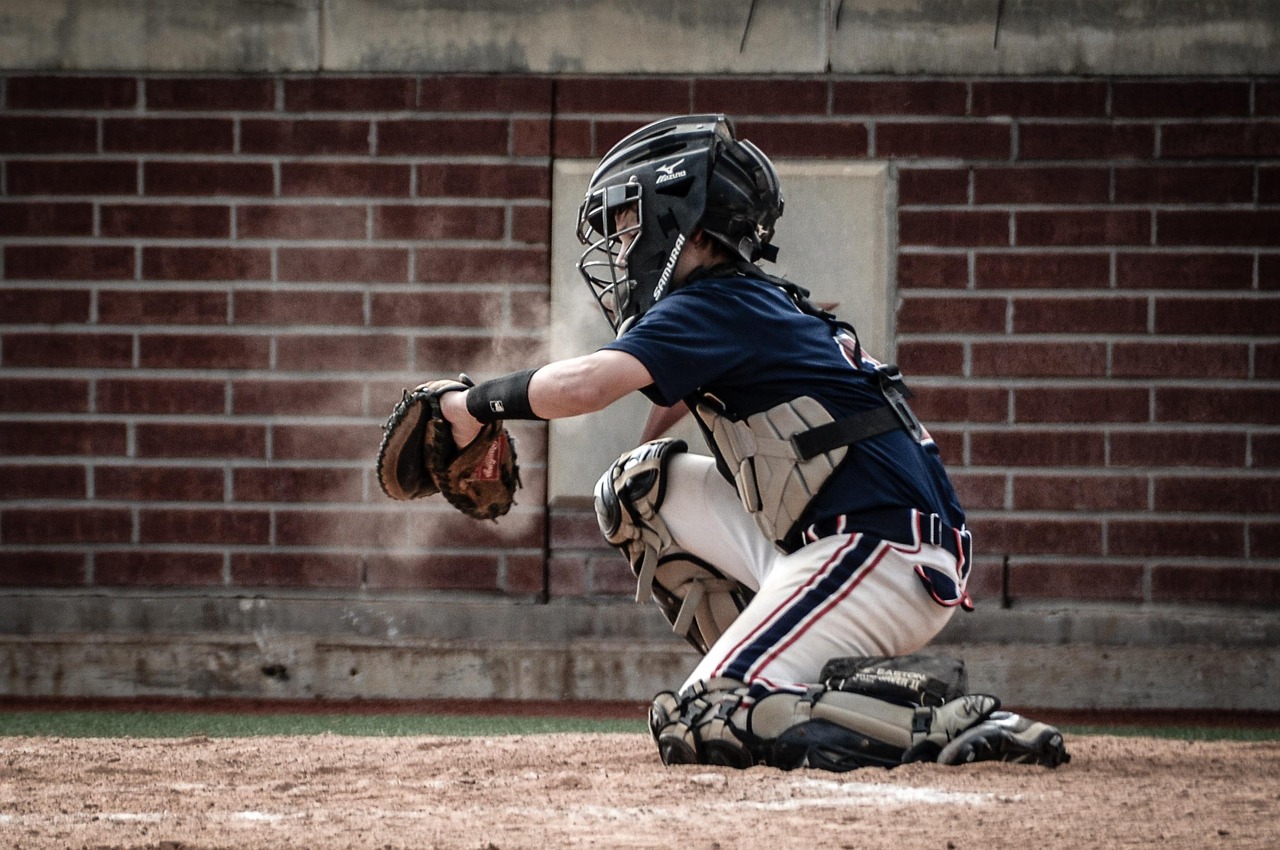
The pickoff also works as a team action. The first baseman has to hold the runner, apply the tag, and sometimes sell normal positioning before crashing back to the bag. Middle infielders may flash coverage cues. Catchers can call for throws or sense when a runner is getting too comfortable. A pickoff looks like a pitcher’s move, but it often reflects a defensive unit managing the basepaths together.
Modern rules have made that chess match sharper. Since MLB’s 2023 rule changes, pitchers have been limited to two disengagements per plate appearance, including pickoff attempts and step-offs; a third unsuccessful pickoff attempt can result in the runner being awarded the next base. That change raised the value of each throw. A pitcher can no longer check the runner endlessly. The defense has to choose when the risk is worth it.
Why the Pickoff Still Shapes Modern Baseball
The pickoff matters because the running game is back in the sport’s tactical center. Bigger bases, pitch-timer rules, and disengagement limits helped create a more favorable environment for stolen bases beginning in 2023. Early in that season, MLB noted that runners were succeeding on steals at an unusually high rate, with 196 successful steals in the first 241 attempts.
That makes the pickoff more important, not less. When base stealers become more efficient, defenses need ways to keep them from reaching full comfort. A throw to first may not erase the runner, but it can change the count of the running game. It can force the runner to restart his lead. It can make him hesitate on first movement. It can stop him from getting the perfect jump on a pitch designed to be hard for the catcher to handle.
The modern pickoff is also affected by scarcity. Under the disengagement limit, the first throw is information, the second throw is pressure, and the third becomes a gamble. Once a pitcher has used two disengagements, the runner knows the defense has less room to maneuver. That can create a strange reversal: the pitcher used to create paranoia for the runner, but now the runner can create paranoia for the pitcher.
That is what makes this niche piece of baseball so good. The pickoff is not just about catching someone leaning. It is about managing fear, time, and probability. It turns first base into a live tactical space, even when no pitch has been thrown.
Pickoff artists matter because they remind us that baseball’s action is not limited to contact. Some of the sport’s most important contests happen in stillness: a lead, a glance, a foot on the rubber, a first baseman waiting near the bag. The runner wants freedom. The pitcher wants doubt. First base is where that argument begins.