The Harlem Globetrotters of Baseball were not one single team. They were a style of baseball culture built on travel, entertainment, improvisation, and serious athletic ability. Before television made sports national from a living room, barnstorming teams made baseball national by taking the game directly to towns, fairs, local diamonds, and packed exhibition stops. Teams like the House of David, the Indianapolis Clowns, and Black barnstorming clubs mixed competition with showmanship because the road was both a business model and a stage. Their story matters because it shows baseball before it became fully centralized: less polished, more mobile, more entrepreneurial, and often more inventive than the official major-league version of the sport.
Baseball Before Television Needed a Roadshow
Barnstorming baseball grew from a simple reality: most fans could not see elite baseball whenever they wanted. Major League Baseball was concentrated in certain cities. Radio helped, newspapers helped, but live baseball still had to travel if it wanted to reach much of the country. Barnstorming teams filled that gap.
They played local clubs, semipro teams, factory teams, town teams, and other touring opponents. The games were not always part of formal league schedules, but they were not meaningless. They were often how players earned money, built reputations, and found audiences far beyond the boundaries of official baseball institutions.
For Black players, barnstorming carried even deeper importance. Segregation and Jim Crow restrictions pushed Black players out of white professional baseball by the early twentieth century, forcing them to build their own teams, leagues, and travel circuits. The Negro Leagues Baseball Museum describes how Black players formed their own clubs and barnstormed around the country to play whoever would challenge them.
That meant barnstorming was not just entertainment. It was infrastructure. It was how great players reached audiences in places where segregated baseball structures denied them equal access. It was also how communities encountered high-level Black baseball outside the narrow frame of official league play.
The Harlem Globetrotters of Baseball and the Art of the Traveling Team
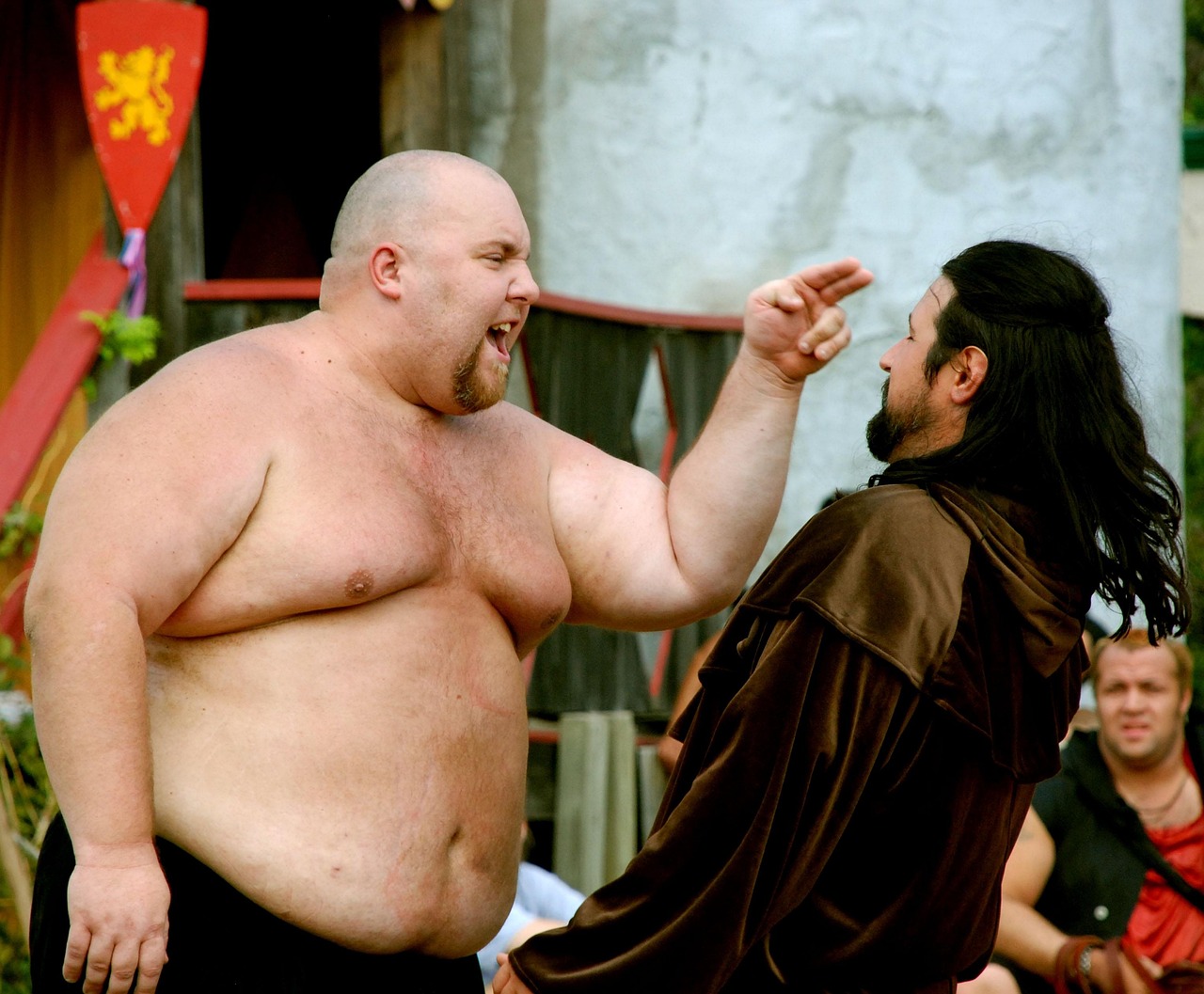
The phrase “the Harlem Globetrotters of Baseball” fits because barnstorming baseball often blurred the line between sport and performance. The best teams did not simply arrive, play nine innings, and leave. They sold an event. They brought personalities, routines, costumes, nicknames, trick plays, comic timing, and a sense that baseball could be both competitive and theatrical.
The House of David became one of the most famous examples. Connected to a religious community in Benton Harbor, Michigan, the team began playing organized baseball by 1913 and became a regular presence on the American barnstorming circuit by 1920. Their long hair and beards made them instantly recognizable, but the visual identity only worked because the team could actually play. They were not just a novelty act. They were a traveling baseball attraction with enough talent and distinction to hold crowds.
The Indianapolis Clowns carried the showmanship model even further. The National Baseball Hall of Fame has directly described the Clowns as “to baseball what the Harlem Globetrotters are to basketball,” because their on-field theatrics created a fan experience built around more than the score.
That comparison should not flatten what the Clowns were. They were part entertainment troupe, part professional baseball team, part Negro Leagues institution, and part traveling cultural memory. MLB’s own history of the club notes that the team began in the 1930s as the Ethiopian Clowns, later moved to Cincinnati, joined the Negro Leagues in 1943, and then relocated to Indianapolis.
The Clowns also had real baseball significance beyond performance. Hank Aaron played for the Indianapolis Clowns before joining the Boston Braves organization, and the team was connected to the later history of women in professional baseball through players such as Toni Stone. That combination is what makes the story powerful: the Clowns were entertaining, but they were not trivial.
Why Barnstorming Baseball Still Explains the Sport
Barnstorming teams reveal a version of baseball that was less controlled by leagues, television contracts, and standardized presentation. The game could be a local event one night, a touring spectacle the next, and a serious competitive test the night after that. The field was not only a place for statistics. It was a stage, a workplace, and sometimes a survival strategy.
That is why the House of David and the Indianapolis Clowns belong in the same broader story as Black barnstorming teams and Negro League road clubs. They show how baseball moved before mass media made movement less necessary. They also show how teams built identity in a crowded entertainment market. A beard, a nickname, a comic routine, a trick play, or a famous traveling opponent could become part of the product.
The modern echo is easy to see in teams like the Savannah Bananas, but the older story is richer. Barnstorming was not just a gimmick. It was one of baseball’s great distribution systems. It brought the game to audiences that formal baseball did not always serve, and it gave players and teams room to experiment with how baseball could look, sound, and feel.
The Harlem Globetrotters of Baseball were never only about laughs or spectacle. Barnstorming teams helped make baseball portable. They carried the sport across geography, race, class, and media limitations. Their legacy is a reminder that baseball was not built only in major-league parks. It was also built on the road.