Astroturf baseball changed more than the surface under the players’ feet. It changed how ground balls moved, how outfielders defended, how runners attacked the bases, and how teams imagined the relationship between speed and power. In the 1970s and 1980s, artificial turf became part of a broader stadium era built around multipurpose facilities, symmetrical fields, and faster play. The surface rewarded line drives, stolen bases, bunts, gap hitting, and rangy defense. It also punished bodies with harder landings, sharper hops, and the famous turf burns that became part of the game’s visual language. Astroturf baseball was not just baseball played indoors or on carpet. It was a distinct style of the sport.
The Stadium Era That Made Artificial Turf Seem Modern
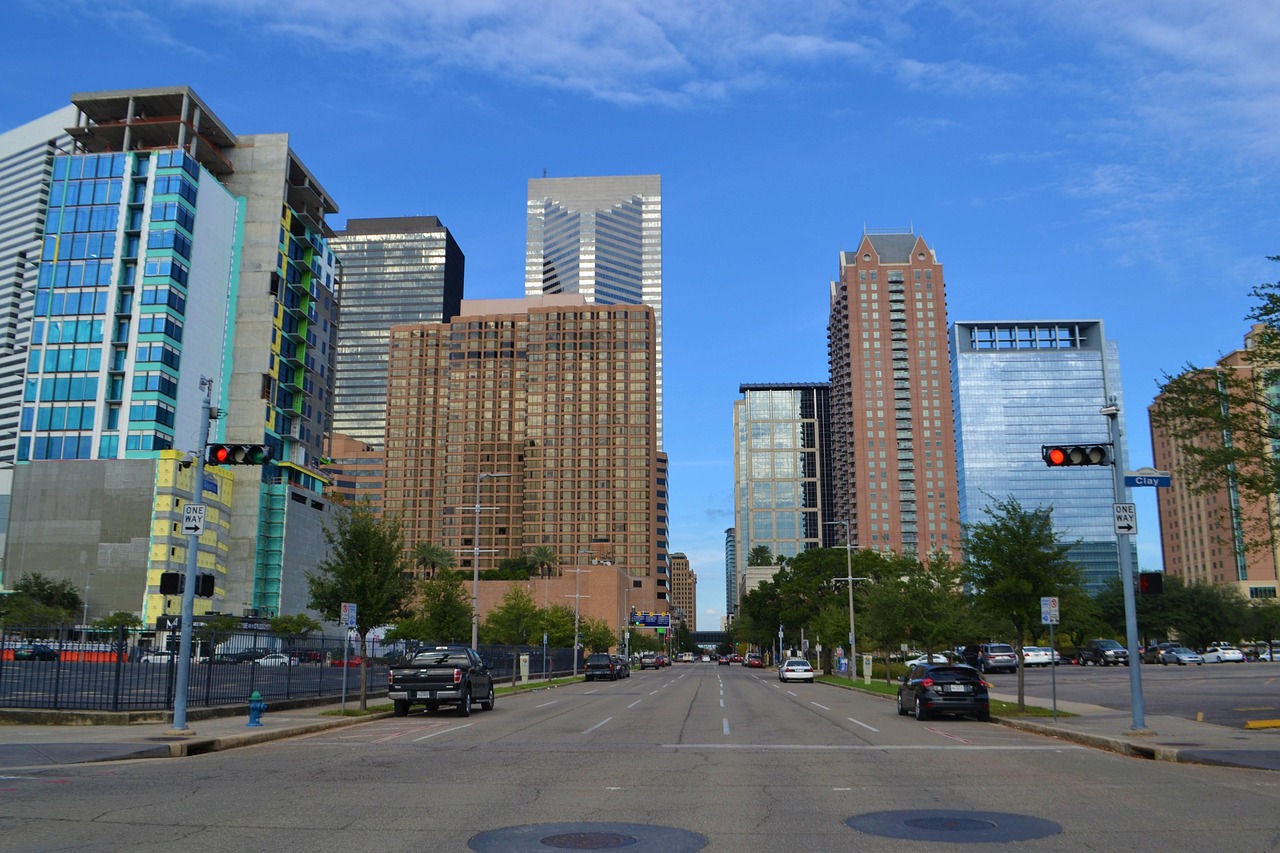
Artificial turf arrived in baseball as part of a larger belief that stadiums could be cleaner, more flexible, and more efficient. The original AstroTurf became famous at the Houston Astrodome, where natural grass struggled under an indoor roof. From there, artificial turf became associated with the future: domes, concrete stadiums, enclosed environments, and multipurpose facilities shared by baseball and football teams.
That mattered because these ballparks were not only different underfoot. They were different in shape and atmosphere. Many had wide foul territory, hard surfaces, symmetrical outfields, and seating bowls built to serve multiple sports. Baseball in those parks often felt more spacious, more angular, and less tied to the quirks of older neighborhood ballparks.
The surface changed the basic physics of the game. A routine ground ball on grass could slow down, take a softer hop, or die in the infield. On artificial turf, the same ball could skip through quickly or bounce higher than expected. Infielders had less time. Outfielders had to charge more carefully. Hitters learned that a hard ball on the ground could become a weapon.
Artificial turf also changed roster logic. In a large, fast, artificial-surface stadium, a team did not always need to wait for three-run home runs. It could build pressure with singles, doubles, stolen bases, sacrifice flies, and aggressive baserunning. The ballpark itself encouraged movement.
Astroturf Baseball Turned Speed Into a System
The classic Astroturf baseball team was built to run, defend, and pressure opponents into mistakes. This did not mean power disappeared, but it meant a different kind of player could become central. Fast outfielders had more room to cover. Infielders needed quick reactions and reliable hands. Hitters who could slap the ball, drive it into gaps, or force rushed throws had real value.
The surface rewarded a particular offensive rhythm. A chopper could turn into an infield hit. A ball through the gap could race to the wall. A runner going first to third could put immediate pressure on the defense. A stolen base could matter more in a lower-scoring environment where one run felt earned through movement rather than explosion.
Teams such as the St. Louis Cardinals of the 1980s became closely associated with this style. Whitey Herzog’s Cardinals used speed, defense, contact hitting, and spacious turf-era conditions to build a recognizable identity. Players like Ozzie Smith, Willie McGee, Vince Coleman, and others fit a model where range, acceleration, and pressure were not side details. They were the operating system.
The Kansas City Royals, Montreal Expos, Pittsburgh Pirates, Cincinnati Reds, Houston Astros, Toronto Blue Jays, and others also spent years in artificial-turf environments where the surface shaped how games looked and how rosters were valued. In these parks, baseball could feel like a continuous sequence of angles: ground balls shooting through the infield, runners cutting corners, outfielders tracking balls across fast surfaces, and defenses trying to keep the game from becoming a track meet.
This style also affected pitching and defense. Pitchers wanted ground balls, but ground balls on turf were not always gentle. Defenses had to be more athletic. Infield positioning mattered. Catching the ball cleanly became harder when a hop could rise suddenly or arrive faster than expected. The field did not merely host the game. It participated in it.
The Legacy of Astroturf Baseball Is More Than Nostalgia
Astroturf baseball eventually lost much of its dominance as teams moved away from older multipurpose stadiums and toward baseball-specific parks with natural grass or more advanced synthetic surfaces. The retro ballpark movement changed the sport’s architecture. Camden Yards helped make asymmetry, brick, grass, and baseball-only design feel modern again. The concrete multipurpose stadium no longer looked like the future.
But the legacy of Astroturf baseball remains important because it shows how deeply environment shapes strategy. Baseball often presents itself as timeless, but the game changes whenever the field changes. Fences, foul territory, altitude, roof conditions, grass height, wall angles, and surface speed all affect what kinds of players matter. Artificial turf made that visible.
It also left a physical legacy. Players remembered the hardness, the burns, the impact on knees and backs, and the feeling that the surface was less forgiving than grass. The conversation around turf was never only aesthetic. It was also about health, longevity, and the cost of playing a fast game on an unforgiving field.
At the same time, Astroturf baseball preserved a fascinating version of the sport: faster, stranger, more angular, and more dependent on pressure. It gave baseball an era when speed teams could feel like tactical machines, when a ground ball could become an event, and when the surface itself helped define a generation of play.
Astroturf baseball matters because it proves that baseball strategy is never separate from baseball geography. Change the field, and the sport changes with it. The turf era gave the game a distinct visual and tactical identity: faster hops, harder landings, wider spaces, and teams built to turn movement into offense.